
New homes and apartments
Does a newly built home need an inspection?
A completed home can still benefit from an independent assessment of its visible condition. First identify whether you are buying a finished property or need a specialist construction or handover service.
Reviewed 13 October 2026
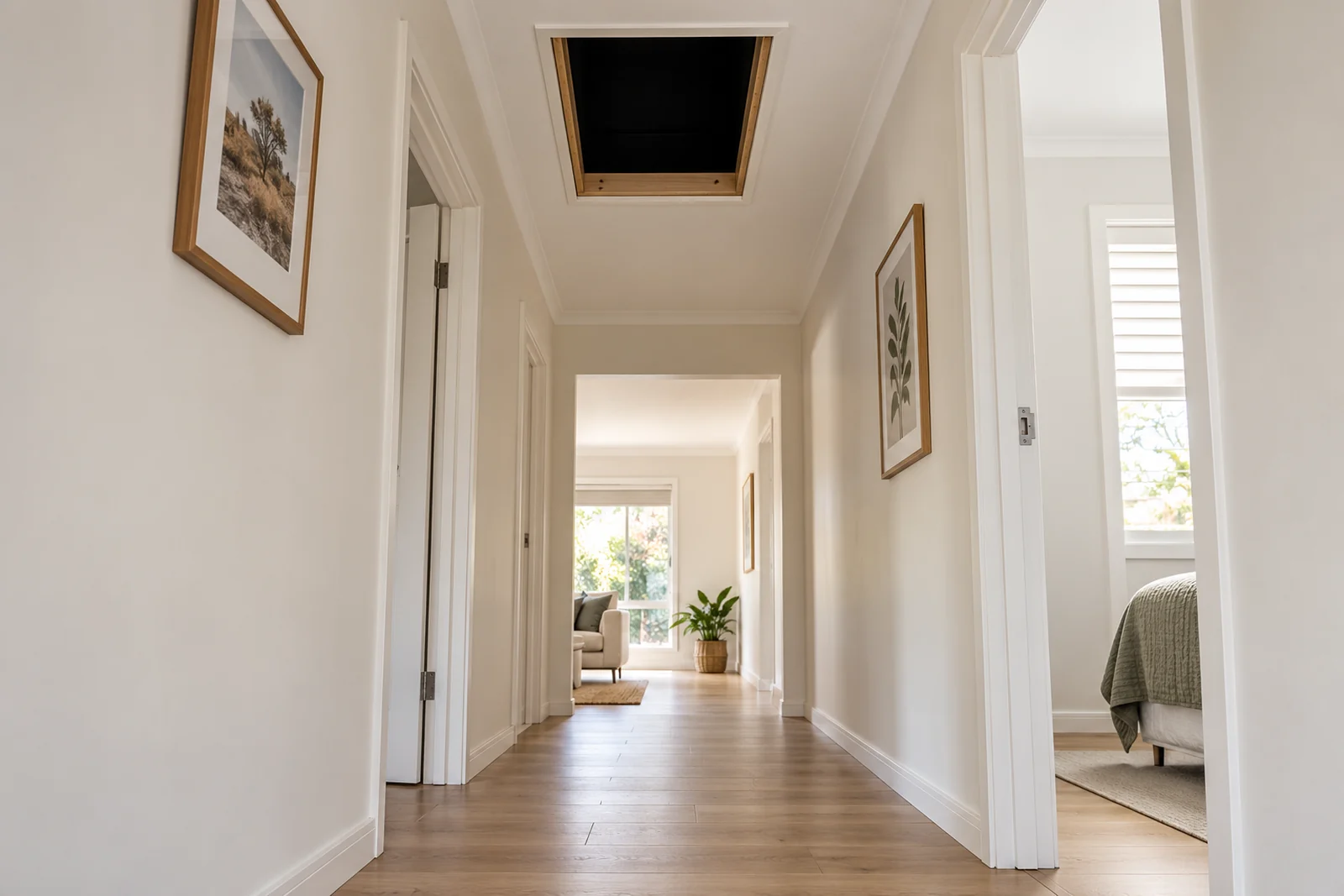
Assess the completed home you are buying
A new finish tells you little about every part of the building. A visual pre-purchase inspection can identify accessible condition and workmanship concerns and explain where further investigation is appropriate.
Gillon Builders' service assesses the visible condition of reasonably accessible areas and provides photographs, a written report and a verbal debrief. Discuss the property and your purpose before booking so the agreed scope matches the purchase you are considering.
The assessment does not open walls, reveal all concealed construction or establish that every component complies with building requirements. No visible problem in an inspected area should not be read as a guarantee of the whole home.
Separate purchase, construction and handover inspections
These services answer different questions at different points in a building project. A completed-home purchase inspection focuses on the condition visible when you are considering buying an existing finished property.
Construction stage inspections examine work at specified stages while a building is being constructed. A handover inspection is directed at completion and the builder's handover process. Each needs an agreed specialist scope, appropriate expertise and coordination with the building project.
Do not assume those services are included in a Gillon Builders pre-purchase inspection. If you are building under a construction contract or preparing for handover, explain that at the outset and arrange the appropriate specialist service.
Bring the right questions to the inspection
Tell the inspector whether the home is newly completed, has been occupied or has had subsequent work. Share any concerns observed during your own visit, such as staining, cracking, damaged finishes or uneven surfaces.
Ask which areas can be inspected, including the roof space and any subfloor. Being newly built does not remove access restrictions. Enclosed sections and finished materials still limit what can be assessed visually.
Read findings in context. A minor finish issue, a moisture-related observation and a concern requiring specialist investigation can call for different responses. Ask what is known from the visit and what additional information is needed.
Consider the documents as a separate enquiry
Ask your conveyancer which permits, completion documents, warranties and contract information are relevant to the property. Keep that enquiry alongside the physical inspection rather than treating either as a substitute for the other.
A warranty document does not describe the home's current condition. Equally, a building inspection report does not decide who is responsible for a defect, whether a claim will succeed or what remedy is available.
If findings raise questions about incomplete work, previous repairs or the building's history, obtain supporting records and discuss them with the appropriate adviser. Do not assume someone else will resolve an issue after you purchase.
Look beyond the apartment interior
For an apartment or unit, the individual home and the wider building need separate attention. Shared roofing, exterior walls and other common areas may be outside the accessible or agreed scope of an individual apartment inspection.
Consumer Affairs Victoria's apartment checklist recommends reviewing owners corporation information, meeting minutes and maintenance records. These can identify proposed works, recorded concerns and matters affecting the common property.
Confirm the physical inspection boundaries and ask your conveyancer about the records. An assessment of your apartment's visible interior does not establish the condition of the entire development or resolve shared building concerns.
Use findings before making your decision
Receive and read the report before the purchase decision that matters to you. Discuss the findings during the verbal debrief, then arrange any recommended specialist assessment or quotation with enough time to consider the result.
If buying at auction, arrange the report before bidding. For a private sale, discuss inspection conditions and deadlines with your conveyancer before signing. Our Victorian timing guide explains the practical sequence and links to official guidance.
Keep the inspection focused on the question you need answered: the visible condition of this completed property, at this point in time, within an agreed scope.
Discuss the type of inspection you need
Call to explain the completed property you are considering and your purchase deadline. We explain the findings in the context of the home and answer your questions about specific details during the verbal debrief. Gillon Builders services homes within 38 kilometres of Whittlesea.